
Suburb Profile
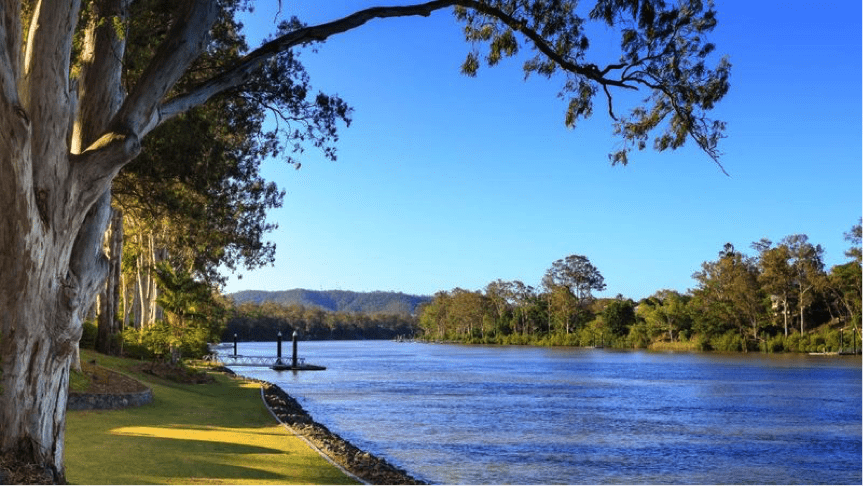
Chapel Hill is a leafy, family-friendly suburb in Brisbane’s west, known for its undulating landscape, elevated treed outlooks, larger blocks and proximity to Mount Coot-tha. Located around 10 kilometres south-west of the Brisbane CBD, it offers a predominantly detached-housing environment while remaining close to the major shopping, schooling and transport infrastructure of Indooroopilly and Kenmore.
For buyers, Chapel Hill is a suburb where the individual property can matter as much as the street address. Slope, elevation, usable land, outlook, drainage, bushland exposure and renovation quality can vary considerably, even between neighbouring properties. This profile provides an overview of the local property market, demographics and amenities, together with some of the factors buyers should consider before purchasing.
Chapel Hill is located in the foothills of Mount Coot-tha and covers approximately 5 square kilometres. It is bordered to the east by Indooroopilly and to the west by Kenmore, Kenmore Hills and Brookfield.
The suburb is characterised by its hilly topography, established trees and larger residential blocks. Development accelerated in the post-war decades, resulting in a substantial stock of homes built between the 1960s and 1980s, including some notable examples of mid-century architecture.
Chapel Hill’s relatively consistent leafy suburban character can disguise considerable differences between individual properties.
A renovated family home on a relatively level and usable block can command a very different price from an apparently similar home with a steep backyard, difficult vehicle access or substantial retaining requirements. Elevation, outlook, school catchment, road exposure, renovation quality and proximity to bushland can all influence buyer demand and value.
Your Property Hound can help buyers identify suitable Chapel Hill properties, select relevant comparable sales, establish a realistic appraisal range, investigate property-specific risks and negotiate the purchase.
Chapel Hill has a strong family demographic. Couples with children account for 54.6% of households, compared with 35.1% for couples without children and 9.3% for single-parent households.
Residents aged 40–49 are the largest age group at 16.5%, followed by 10–19-year-olds at 15.2%. Children aged 0–9 make up a further 12.2% of the population.
The suburb also has a highly professional and well-educated population. Professionals account for 44.1% of employed residents, while managers represent another 18.3%. Of residents with recorded qualifications, 41.1% hold a bachelor’s degree and 24.2% have postgraduate qualifications.
Household incomes are also relatively high, with 38% of households earning more than $182,000 per year.
Chapel Hill is predominantly residential, so most larger shopping and dining options are found in neighbouring suburbs.
Residents have convenient access to the shopping and dining precincts along Moggill Road in Kenmore, while Indooroopilly Shopping Centre, only a short drive away, provides one of Brisbane’s largest concentrations of retail, dining, entertainment and services.
Smaller local shops and services are available within and around Chapel Hill, but the relative lack of major commercial development helps the suburb retain its quiet residential character.
Chapel Hill has no railway station. The closest major station is Indooroopilly, a short drive from much of the suburb.
Several bus services operate along and around Moggill Road, providing connections towards Indooroopilly and the Brisbane CBD. Moggill Road is also the suburb’s principal road connection, linking Chapel Hill with Indooroopilly to the east and Kenmore and Brisbane’s outer western suburbs to the west.
The Legacy Way Tunnel has significantly improved road connections from Brisbane’s western suburbs towards the inner north, airport and motorway network. The Western Freeway also provides convenient access towards the CBD and south towards the Centenary Motorway.
The Centenary Bikeway is popular with recreational cyclists and commuters travelling towards the city.
For buyers, consider traffic and road exposure for properties close to Moggill Road and other busier routes. Chapel Hill’s hilly terrain can also mean that a property appearing close to shops, schools or public transport on a map may be less walkable in practice.
Access to well-regarded schools is a key part of Chapel Hill’s appeal to families.
Chapel Hill State School is within the suburb, while nearby public schools include Kenmore State School, Kenmore State High School and Indooroopilly State High School.
Different parts of Chapel Hill can fall within different school catchments, so buyers purchasing specifically for access to a particular state school should always confirm the current catchment for the individual property address rather than relying on the suburb name alone.
There are also numerous private and independent schools within easy reach in Indooroopilly, Toowong and the surrounding western suburbs.
Chapel Hill offers excellent access to outdoor recreation. There are 22 parks covering approximately 12.6% of the suburb, and its location in the foothills of Mount Coot-tha provides convenient access to a much larger network of bushland and walking and mountain-bike trails.
Mount Coot-tha’s extensive trail network is particularly popular with hikers, mountain-bike riders and other recreational users. The Centenary Bikeway also provides an important recreational and commuter cycling connection towards the city.
The combination of established vegetation, local parks and nearby bushland contributes significantly to Chapel Hill’s leafy character. However, buyers considering properties close to bushland or on heavily vegetated sites should investigate bushfire overlays, vegetation restrictions, slope, drainage and retaining structures where relevant.
There are no major employment centres within Chapel Hill itself, and the suburb is primarily residential.
Many residents commute to the Brisbane CBD, while nearby Indooroopilly, Toowong and the University of Queensland precinct at St Lucia offer additional employment opportunities.
Chapel Hill is not a uniform property market. Quiet, elevated streets with leafy outlooks, usable blocks and well-maintained or renovated family homes tend to have broad owner-occupier appeal.
Properties with convenient access to schools, parks and transport can also attract stronger interest from families. Homes adjoining Mount Coot-tha can offer privacy, bushland outlooks and direct access to recreation, although these locations can introduce additional considerations around vegetation, bushfire overlays and land usability.
Chapel Hill’s undulating terrain means buyers need to look beyond a block’s overall size. A relatively level 600–700m² site with a usable backyard can be more appealing than a significantly larger but steep block requiring substantial retaining.
Buyers should also consider Moggill Road and other road exposure, traffic noise, steep driveways, retaining walls, drainage and overland flow. Renovation quality can vary substantially among the suburb’s older housing stock, making building inspections and approval searches particularly important where homes have been extensively altered.
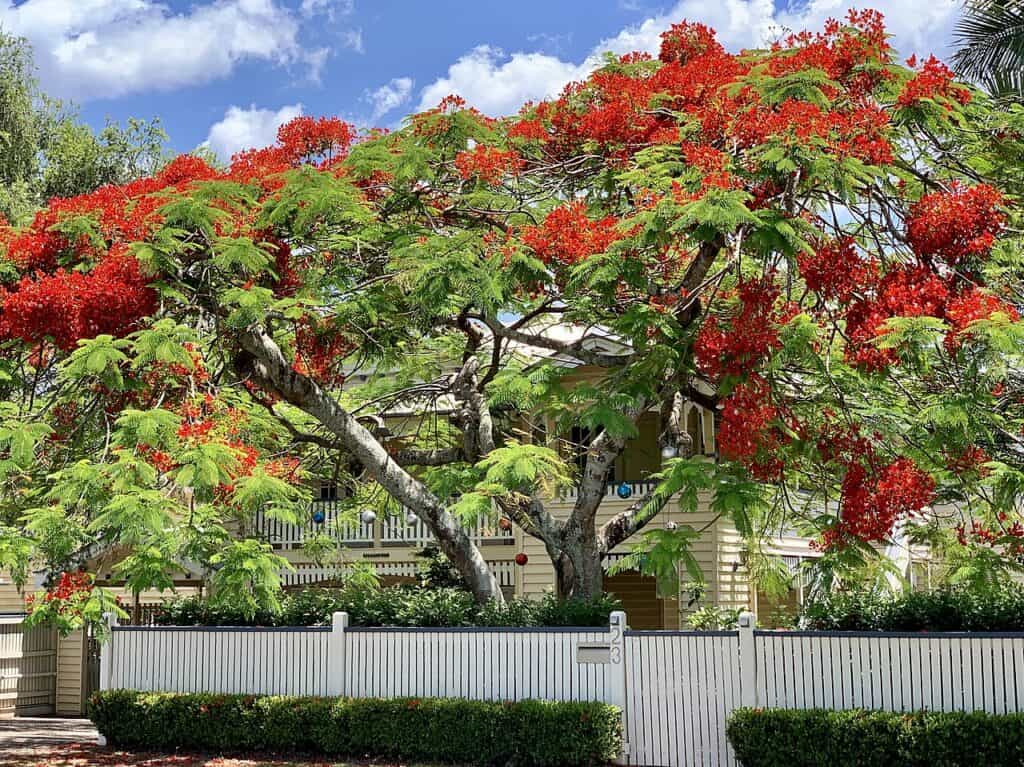
The vast majority (93%) of properties in Chapel Hill are free standing houses on good-sized blocks. (The median sized block is 736m2). Most were constructed between 1960 and 1980, and include some great examples of mid-century architecture.
There are a number of townhouse complexes throughout the suburb.To date there have been no major unit developments in Chapel Hill.
The median house price in Chapel Hill is $1,654,709 (August 2026).
For Example
75 Greenford Street, Chapel Hill

The median unit price in Chapel Hill is $940,000 (August 2026). However, low unit sales make statistical analysis challenging.
There are no sufficiently recent townhouse or unit sales to provide a meaningful current purchase example.
Chapel Hill’s housing market has recorded substantial longer-term growth. Cotality recorded a median house value of $1,654,709 in August 2026, representing annual growth of 7.6%.
Over the longer term, house values have increased by approximately 91% since August 2020, 26% since August 2023, and 9.7% since August 2024.
More recently, the market has softened from its earlier 2026 high. Chapel Hill’s median house value peaked in May 2026 before easing by approximately 5.8% through to August.
Sales volumes have also moderated. Cotality recorded 138 house sales over the rolling 12 months to June 2026, compared with 170 in the September 2025 series.
The attached-dwelling market needs to be viewed very differently. Cotality recorded an August 2026 median unit value of $940,244, down 23.8% over the year. However, only two unit sales were recorded over the rolling 12 months to June 2026.
With such a small number of transactions, the reported decline should not be interpreted as evidence that comparable Chapel Hill units have fallen in value by 23.8%. Changes in the type, size and quality of the very small number of properties transacting can cause substantial fluctuations in the reported median.
For units, the available data indicates an average gross rental yield of 3.7%, stock on market of just 0.03% and a rental vacancy rate of 0.12%. There are insufficient data points to reliably report unit days on market, vendor discounts or auction clearance rates.
Statistics are accurate for August 2026.
Chapel Hill offers many of the characteristics sought by family buyers in Brisbane’s western suburbs: larger blocks, established trees, well-regarded schools, extensive green space and convenient access to Indooroopilly, Kenmore, Mount Coot-tha and the CBD.
Its high owner-occupation rate and long average tenure also contribute to a settled residential environment, but limited turnover can mean buyers do not always have many comparable properties to choose from.
Property selection remains important. Slope, usable land, retaining structures, drainage, renovation quality, bushland exposure, road noise and school catchments can all significantly affect both value and future costs.
Your Property Hound can help identify suitable Chapel Hill properties, establish a realistic appraisal range, investigate property-specific risks and negotiate the purchase on your behalf.
Find a better property at an even better price. Leave your property buying journey with our buyer’s agents – we’re Your Property Hounds.