
Buying property can be exciting, but it can also be time-consuming, stressful and difficult to navigate. Buyers often spend weeks or months searching online, attending inspections, trying to work out what properties are worth and dealing with selling agents who ultimately represent the vendor.
That is where a buyer’s agent can help.
If you are wondering what a buyers agent does for you, the simplest answer is that a buyer’s agent represents your interests during the property purchase. Depending on the service, that can include helping establish your brief, searching for suitable properties, inspecting them, carrying out research and due diligence, assessing value, negotiating with the selling agent and bidding at auction.
Importantly, a buyer’s agent is not essential for every purchaser. Experienced buyers with plenty of time, strong local market knowledge and confidence negotiating may be perfectly capable of buying independently.
For other buyers, having an experienced professional on their side can make the process considerably easier.
What is a buyer’s agent?
A buyer’s agent, sometimes called a buyer’s advocate, is a licensed property professional who acts on behalf of the purchaser rather than the seller.
This distinction matters.
The selling agent is appointed and paid by the property owner. Their job is to represent the vendor and achieve the best possible outcome for them.
A buyer’s agent is engaged by the purchaser and works from the opposite side of the transaction.
Understanding who represents whom is an important starting point when considering what a buyers agent does for you.
Buyer’s agents can provide different levels of service. Some buyers engage an agent for the entire process from search through to settlement. Others may only require assistance negotiating a property they have already found, or bidding on their behalf at auction.
What a Buyers Agent Does for You: From Search to Settlement
The easiest way to understand what an agent can do for you is to follow the buying process from the beginning.
A full-service buyer’s agent may assist at almost every stage, from defining what you should be looking for through to the final pre-settlement inspection.
Although services vary between agencies, the following are some of the most important parts of the role.

1. Turn your wish list into a realistic buyer’s brief
One of the first jobs of a buyer’s agent is understanding exactly what you are trying to buy.
That may include your:
-
- budget and finance position
-
- preferred locations
-
- property type
-
- minimum bedrooms and bathrooms
-
- preferred land size
-
- school catchment requirements
-
- transport needs
-
- renovation tolerance
-
- lifestyle priorities
-
- investment objectives
-
- timeframe
-
- must-haves and deal-breakers
However, developing the brief is not simply an administrative exercise.
A good buyer’s agent should also help determine whether your expectations are realistic.
For example, you may want a four-bedroom renovated house within 5 kilometres of the Brisbane CBD, or a beachside apartment on the Gold Coast, but have a budget more suited to a townhouse or a house further from the coast.
An important part of what a buyers agent does for you is identifying these mismatches early and helping you decide which compromises you are prepared to make.
This can prevent months being wasted searching for a property that does not realistically exist within the budget.
2. Help you understand where and what you can afford
Property markets can vary enormously from suburb to suburb—and sometimes from street to street.
A buyer’s agent with genuine local experience should be able to explain what your budget is likely to achieve in different locations and property types.
For example, the same budget might buy a townhouse in an inner-Brisbane suburb, a larger established house further out, or a home in a family-friendly neighborhood on the Gold Coast.
A buyer’s agent can also help identify compromises that may provide better value without departing too far from your original brief.
For investors comparing capital growth potential between Brisbane and the growing suburbs of the Gold Coast, the analysis may include rental demand, vacancy, tenant appeal, yields and the suitability of different property types.
For interstate or overseas purchasers in particular, local knowledge can be one of the most useful aspects of what a buyers agent does for you.
The aim should not be to predict which suburb will have the highest future capital growth. Nobody can do that with certainty.
Rather, it is to help you understand the relative strengths, weaknesses and pricing of different areas so you can make a better-informed decision.
3. Search listed, pre-market and off-market properties
Searching for property involves considerably more than refreshing realestate.com.au several times a day.
A buyer’s agent will usually monitor publicly advertised properties while also speaking directly with local selling agents about upcoming listings across Brisbane and down to the Gold Coast.
Through established agent relationships, they may become aware of properties before they are publicly advertised.
These can include:
-
- properties coming to market shortly
-
- pre-market opportunities
-
- private sales
-
- genuine off-market properties
Early access can be useful, particularly in competitive markets where suitable properties attract strong interest quickly.
Another commonly discussed aspect of what an agent does is therefore access to properties that buyers may not otherwise discover until later in the campaign.
However, off-market does not automatically mean better.
An unadvertised property can still be overpriced, poorly located or unsuitable for your requirements.
Every opportunity should be assessed on its merits rather than being considered desirable simply because it has not appeared online.
4. Filter out unsuitable properties before you waste time on them
Finding properties is only part of the job.
Arguably, one of the more valuable functions of a buyer’s agent is helping eliminate the wrong properties.
A property may initially look suitable online but have issues such as:
-
- flood or overland-flow risk
-
- an undesirable position
-
- a busy road
-
- significant slope
-
- poor access
-
- an awkward layout
-
- nearby development
-
- easements
-
- noise
-
- limited privacy
-
- poor natural light
-
- substantial maintenance
-
- resale limitations
Experienced buyers may identify many of these issues themselves, but they can be easy to overlook when a property otherwise appears attractive.
This screening process is an important part of what a buyers agent does for you.
Sometimes the most valuable advice a buyer’s agent gives is simply: Don’t buy this property.
The objective should not be to get the buyer into a property as quickly as possible. It should be to help them buy the right property on sensible terms.
5. Inspect properties on your behalf
Online listings are designed to present properties positively.
Professional photography, selective camera angles and carefully written descriptions can make it difficult to understand what a property is really like.
Physical inspections can reveal factors that are not obvious online, including:
-
- traffic and street noise
-
- neighbouring properties
-
- parking problems
-
- slope
-
- privacy
-
- natural light
-
- unpleasant smells
-
- property condition
-
- signs of poor maintenance
-
- awkward room proportions
-
- surrounding development
-
- views and outlook
-
- the overall feel of the street
For apartments and townhouses, the condition of common areas and the overall complex can also tell you a lot.
When buyers ask what an agent can do for you, property inspections are often one of the most tangible benefits—especially for people living interstate or overseas looking to buy on the Gold Coast or in the heart of Brisbane.
A buyer’s agent can inspect on your behalf and provide photographs, videos and an assessment of both the positives and negatives.
However, a buyer’s agent inspection should never be confused with a professional building and pest inspection. Specialist inspectors are still required where appropriate.
6. Investigate risks and carry out due diligence
A property can look excellent at an open home while still having important issues that warrant further investigation.
Good due diligence goes beyond the appearance of the house.
Depending on the property and location, this may involve reviewing:
-
- flood risk
-
- overland flow
-
- zoning
-
- planning overlays
-
- easements
-
- character or heritage controls
-
- nearby development
-
- road and rail noise
-
- aircraft noise
-
- slope
-
- property history
-
- body corporate information
-
- comparable sales
Additional specialists may also be required, such as building and pest inspectors, body corporate records searchers, engineers or solicitors.
Risk assessment is a major part of what a buyers agent does for you, because many of the issues that affect a property are not obvious in an advertisement or even during a short inspection.
The buyer’s agent does not replace a solicitor, building inspector or engineer.
Their role is to help identify potential concerns, coordinate appropriate investigations and ensure the buyer understands the property from a broader purchasing perspective.
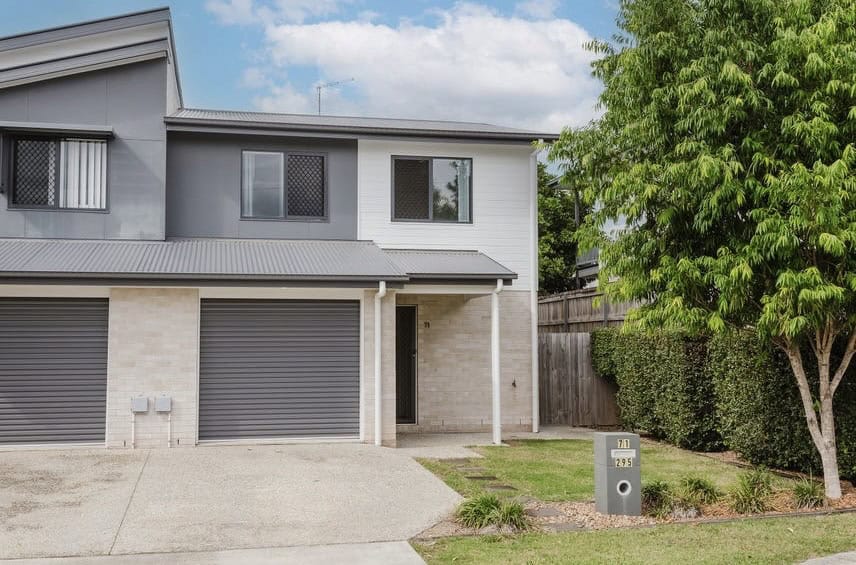
7. Work out what the property is actually worth
Knowing that you like a property is relatively easy.
Knowing how much you should pay for it is much harder.
Selling agents may provide price guides, but the buyer should still form an independent view of value.
A buyer’s agent will generally examine recent comparable sales and adjust for differences such as:
-
- location
-
- land size
-
- property condition
-
- renovation standard
-
- floor area
-
- street quality
-
- views
-
- layout
-
- property type
-
- changing market conditions
An automated online valuation can provide a useful reference point, but it should not replace detailed comparison with genuinely similar properties.
Establishing an evidence-based opinion of value is an important part of what an agent will do on your behalf.
A good buyer’s agent should be able to explain the evidence behind their assessment rather than simply telling you that you need to offer more.
At Your Property Hound, comparable-sales analysis is an important part of our approach. We want clients to understand not only what we think a property is worth, but why.
8. Tell you when not to buy
One concern buyers sometimes have is that a buyer’s agent only gets paid when a property is purchased.
That makes independence particularly important.
A good adviser should be prepared to raise concerns, recommend further investigation or tell a client to walk away when the property does not stack up.
One of the most important answers to what a buyers agent does for you is therefore that they should sometimes advise you to do nothing.
That may mean rejecting a property because of its location, condition, risk profile or simply because the price has become unreasonable.
At Your Property Hound, we aim to provide a balanced assessment of every property.
No property is perfect, but clients deserve to understand both the positives and negatives—no sugar coating.
9. Develop an offer and negotiation strategy
Once you find a suitable property, the next challenge is securing it.
Negotiation can involve much more than asking the selling agent, “What will the owner take?”
The buyer’s agent may consider:
-
- recent comparable sales
-
- the seller’s expectations
-
- competing buyer interest
-
- how long the property has been listed
-
- the method of sale
-
- the strength of your position
-
- offer timing
-
- settlement terms
-
- finance conditions
-
- building and pest conditions
-
- the buyer’s maximum price
Negotiation is one of the best-known elements of what an agent does for you.
However, buyers should be cautious of anyone promising that a buyer’s agent will always secure a bargain.
Sometimes strong competition means paying close to your maximum is necessary to purchase the property.
The goal is not necessarily to achieve the lowest theoretical price.
It is to secure the right property on acceptable terms without paying more than is reasonably necessary.
Having someone emotionally detached from the property can also help prevent buyers increasing their offer simply because they are frightened of missing out.
10. Bid at auction without the emotion
Auctions can be stressful, particularly for buyers who have never bid before.
A buyer’s agent can bid on your behalf using a strategy agreed in advance.
This normally includes setting a clear maximum price before the auction begins.
The benefit is not that a buyer’s agent possesses a secret auction trick.
Rather, an experienced bidder is accustomed to the pace of auctions, understands how to respond to other bidders and can remain disciplined when emotions are running high.
Auction representation is another example of what a buyers agent does for you, particularly if you are uncomfortable bidding yourself.
Most importantly, the buyer’s agent should respect the agreed limit.
Winning the auction is not a successful outcome if you substantially overpay in the process.
11. Coordinate the purchase through to settlement
The work does not necessarily finish once the offer is accepted.
A full-service buyer’s agent may continue to liaise with:
-
- the selling agent
-
- your solicitor or conveyancer
-
- your mortgage broker or lender
-
- building and pest inspectors
-
- other consultants
They may also keep track of important dates, help coordinate further access to the property and attend the pre-settlement inspection.
Full-service representation means what a buyers agent does for you can extend right through to settlement rather than ending once the contract has been signed.
This continuity can be particularly useful for first-home buyers, interstate purchasers looking across the Gold Coast region, and people unfamiliar with the local buying process.
What doesn’t a buyer’s agent do?
A buyer’s agent can coordinate many parts of the purchase, but they are not a substitute for every other professional involved.
They generally do not replace your:
-
- solicitor or conveyancer
-
- building inspector
-
- pest inspector
-
- engineer
-
- mortgage broker
-
- accountant
-
- financial adviser
A good buyer’s agent should recognise the limits of their expertise and recommend specialist advice where required.
For example, a buyer’s agent may identify a crack that warrants further investigation, but an engineer should determine whether it is structurally significant.
Likewise, a buyer’s agent may highlight an unusual contract issue, but your solicitor should provide the legal advice.
Could I just do all of this myself?
Yes.
This is an important point that is sometimes overlooked in buyer’s-agent marketing.
Many buyers successfully purchase property without professional representation.
If you have plenty of time, know your target suburbs extremely well, understand property values, enjoy attending inspections and feel confident negotiating, you may not need a buyer’s agent.
When considering what a buyers agent does for you, the real question is not whether you could perform these tasks yourself.
Most buyers can.
The question is whether you have the time, experience, market knowledge and confidence to do them consistently well.
A buyer’s agent can be particularly useful if you:
-
- live interstate or overseas
-
- are relocating to an unfamiliar city like Brisbane
-
- are time-poor
-
- have not purchased property for many years
-
- are buying your first home
-
- struggle to assess property value
-
- dislike negotiating
-
- find auctions stressful
-
- want an experienced second opinion
The value is often less about doing something that is impossible for the buyer to do and more about providing experience, objectivity and professional representation throughout the process.
So, is using a buyer’s agent worth it?
There is no universal answer.
For some buyers, the cost of a buyer’s agent will not be justified.
For others, saving dozens of hours of searching and inspections, gaining access to local expertise and having someone independently assess properties may provide considerable value.
Buyer’s agents can be particularly useful for people purchasing interstate or overseas because they provide someone on the ground who can inspect properties and understand the local market.
They may also be valuable for inexperienced buyers who want guidance through the process or buyers who recognise that emotion is influencing their decisions.
Ultimately, whether what a buyers agent does for you justifies the cost depends on your circumstances and how much value you place on professional representation.
A reputable buyer’s agent should also be comfortable explaining both the benefits and the limitations of their service rather than suggesting that every purchaser needs one.
What does Your Property Hound do for buyers?
Your Property Hound has represented property buyers in Brisbane since 2012 and now also assists buyers on the Gold Coast.
We work exclusively for purchasers rather than sellers.
Our full-service approach includes developing the buying strategy, searching for properties, attending inspections, conducting property-specific research and due diligence, analysing comparable sales, negotiating and assisting through to settlement.
For us, what a buyers agent does for you means much more than forwarding listings.
Our job is to provide a balanced assessment of each opportunity, identify potential risks and help clients make an informed buying decision.
That sometimes means recommending a property.
At Other times, it means advising a client to walk away.
We use a flat-fee structure rather than charging a percentage of the purchase price, and Your Property Hound is REIQ accredited and a member of REBA.
Most importantly, our role is to represent the buyer throughout the transaction.

Frequently Asked Questions
What does a buyer’s agent actually do?
In simple terms, what a buyers agent does for you is represent your interests during the property purchase.
Depending on the service, that may include establishing your brief, searching for properties, inspecting them, carrying out due diligence, assessing value, negotiating and bidding at auction.
Does a buyer’s agent find off-market properties?
They can.
Established buyer’s agents often have relationships with selling agents that allow them to hear about properties before they are publicly advertised.
However, an off-market property is not automatically a good property or good value. It still needs to be properly assessed.
Can a buyer’s agent save me money?
Potentially, but there should be no guarantee.
A buyer’s agent may help you avoid overpaying, negotiate effectively and identify properties that represent better value.
The bigger benefit may sometimes be helping you avoid purchasing the wrong property rather than simply saving money on the purchase price.
Does a buyer’s agent inspect properties?
Full-service buyer’s agents generally attend inspections on behalf of clients.
This can be particularly useful for interstate and overseas buyers.
The inspection should consider not only the house itself but also the street, surroundings, neighbours, noise, layout, condition and other factors that may not be obvious online.
Does a buyer’s agent carry out building and pest inspections?
A buyer’s agent may help arrange a building and pest inspection, but the inspection itself should be undertaken by an appropriately qualified professional.
Can a buyer’s agent negotiate a property I find myself?
Many buyer’s agencies offer negotiation-only services for purchasers who have already identified the property they want to buy.
The agent can assess value, discuss strategy and negotiate directly with the selling agent on the buyer’s behalf.
Can a buyer’s agent bid at auction?
Yes.
Auction bidding can either form part of a full-service engagement or be provided as a standalone service.
A maximum price and bidding strategy should generally be agreed before the auction.
Is a buyer’s agent useful for interstate buyers?
Often, yes.
Interstate buyers looking across Brisbane or down the Gold Coast may benefit from local market knowledge, someone attending inspections on their behalf and an independent person on the ground who can investigate properties before they travel or commit to a purchase.

Final Thoughts
So, what a buyers agent does for you is much broader than simply finding a property.
A full-service buyer’s agent can help define your brief, understand the market, identify opportunities, screen unsuitable properties, inspect homes, investigate risks, analyse value, negotiate and coordinate the purchase through to settlement.
You can certainly perform many of these tasks yourself.
The value of a buyer’s agent is having someone who does them regularly, understands the local market and represents only your interests.
And sometimes the most valuable service they provide is not helping you buy a property at all—it is helping you recognise the property you should not buy.